The “Post-Thaw” Geothermal Checkup: Protecting Your Investment in Eau Claire
Spring in Wisconsin is a welcome sight, but for homeowners with geothermal systems, the transition from a frozen landscape to a muddy thaw is more than just a change in scenery. It’s a critical time for your heating and cooling system.
While air-source heat pumps and furnaces deal with the air, your geothermal system relies on the ground itself. When that ground moves, settles, or shifts during the spring melt, it can impact the "loop" that makes your system so efficient. Here is what you need to know to ensure your system is ready for the cooling season ahead.
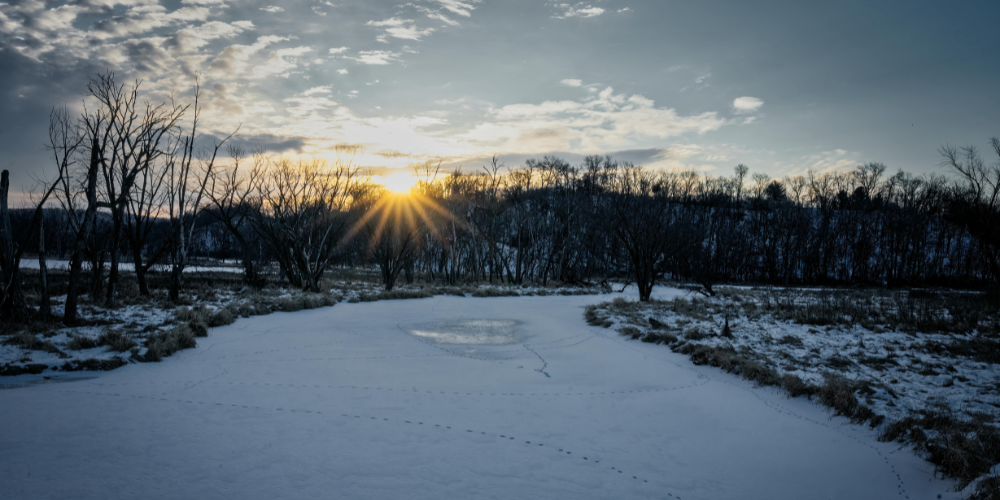
Why the "Spring Thaw" Matters for Geothermal
In Eau Claire, the frost line can reach deep into the soil. As the ice trapped in the ground turns back into water, the soil density changes. For a geothermal system, this "thaw cycle" is the most physically demanding time of year for the underground components.
Walk the Loop Field
If you have a horizontal loop system, take a walk across your yard once the snow is gone. You are looking for:
Significant Settling: It’s normal for the ground to settle slightly over a new loop, but in older systems, sudden "sinkholes" or deep depressions can indicate soil erosion or a shift that might be putting tension on the pipes.
Unusual Wet Spots: While spring is naturally wet, a "puddle that never leaves"—especially one that stays muddy even during a dry spell—could indicate a leak in the loop.
Exposed Pipes: In rare cases of extreme erosion or frost heave, a section of the header or loop might become visible. If you see plastic piping, it needs to be protected from UV light and lawnmowers immediately.
The Sunk Cost Trap: When Age Outweighs Repair
As you perform your spring checkup, you might discover that a component—like a circulating pump or the compressor—is struggling. This is where many homeowners make a costly mistake.
In the HVAC world, we look at a system’s "statistical life." A geothermal heat pump typically lasts about 20 to 25 years. If your indoor unit is approaching its 20th birthday, it has survived two decades of Wisconsin’s extreme temperature swings.
Don’t Over-Repair a "Senior" System
When a major part fails on a 20-year-old system, the instinct is to "just fix it." However, you have to consider that:
The Chain Reaction: Replacing one part on a system at the end of its lifespan often puts new stress on other aging components. It’s common to fix a motor in April only to have the compressor fail in July.
Efficiency Gaps: A geothermal unit from the early 2000s is significantly less efficient than a 2026 model. By continuing to repair an old unit, you are essentially paying a "hidden tax" every month in higher-than-necessary utility bills.
The Loop is Still Good: Remember, the underground loops are often rated for 50+ years. If your indoor unit is failing due to age, you aren't replacing the whole system—you’re just "re-powering" it with a new, ultra-efficient heat pump that connects to your existing loop.
Spring Maintenance You Can Do Now
Before the first humid day hits, there are a few simple tasks to handle indoors:
Check the Flush Cart/Flow Center: Look for any signs of "sweating" or small leaks around the pumps that move the fluid through your loops.
Filter Swap: After a long winter of recirculating indoor air, your filters are likely at capacity. A fresh filter ensures the high airflow required for efficient cooling.
Clear the Area: Spring cleaning often involves moving boxes in the basement or utility room. Ensure there is at least three feet of clearance around your geothermal unit so it can "breathe" and is accessible for service.
Maximizing Your 2026 Incentives
If your spring checkup reveals that your old system is on its last legs, 2026 is an excellent year for an upgrade in Wisconsin. Because geothermal is a "clean energy" leader, the incentives are higher than almost any other HVAC category.
Federal Tax Credit: Under the current Section 25D rules, you can claim a 30% tax credit on the total cost of a geothermal upgrade. This isn't just a deduction; it’s a direct credit against what you owe in taxes.
Focus on Energy: In 2026, Wisconsin’s Focus on Energy program offers rebates ranging from $750 to $1,000 for high-efficiency geothermal installations, helping offset the initial investment.
Local Utility Rebates: Providers like Xcel Energy often offer additional "bonus" rebates for homeowners who switch to or upgrade their heat pump systems during the spring months.
Let the Experts Take a Look
Geothermal systems are sophisticated pieces of technology. While a visual check of your yard is a great start, a professional "Post-Thaw" inspection includes checking loop pressures, antifreeze concentrations, and electrical draws that the naked eye can’t see.
At Water Source Heating & Cooling, we specialize in the unique needs of Eau Claire’s geothermal community. We won't recommend a replacement if a simple tune-up will suffice, but we will give you an honest assessment of your system’s age and health so you aren't caught off guard by a mid-summer breakdown.